First-Time Homebuyer Mistakes to Avoid in 2025
Author:Mike Fakunle
|
Released:January 26, 2026
It’s one thing to dream of owning a home, but it’s another thing to walk into the real estate market without understanding what you’re doing. Some people wake up one morning, check a few listings online, and boom, they think they’re ready to buy a house.
The real estate market in 2025 is different from what it was even a few months ago. Prices are shifting. Interest rates are moving. Inventory is tight in many areas. Acting on impulse or based on pressure from friends or family can leave you regretting the biggest purchase of your life.
Ignoring the Importance of Pre-Approval
Take time to understand what is going on with home prices in your location. Talk to people who have been through the process recently. Study the real estate trends in your city and how much houses are really going for. If you go in blind, you will pay more than you should or get stuck with a home that doesn't fit your long-term needs.
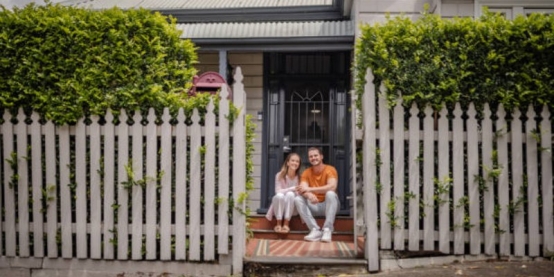
Some people think house hunting starts by calling an agent or browsing listings. That is not how this works. One of the biggest mistakes is skipping home loan pre-approval or treating it like just another piece of paper. That pre-approval is what shows sellers you are serious. It’s what shows you how much you can really afford—not how much you wish you could spend. It also saves you from disappointment. Why get excited over a house, only to find out later that your bank won’t approve the money for it?
Without pre-approval, you walk into the market with false confidence. And in 2025, with tighter lending rules and higher interest rates, that kind of gamble can backfire fast. Lenders want to see clean credit histories, stable jobs, and reliable income. They are not interested in guesswork. Do your financial homework before you step out.
Forgetting the Hidden Costs
So you saved for a down payment and think you’re ready? That’s not the whole story. Too many first-time buyers think once they pay the seller, they’re done. They forget about closing costs, inspection fees, home insurance, taxes, and sometimes even homeowners association (HOA) fees. These extras add up quickly. That dream home will start to feel like a burden when the bills roll in and you don’t have enough left to cover them.
There is also moving costs, furniture, repairs, and in some cases, upgrades that the seller didn’t mention. If the plumbing fails two weeks after you move in and you’re broke from the purchase, you’re stuck. It is not smart to spend every kobo on the home itself and leave nothing for the unexpected.
Getting Too Attached Too Early
Falling in love with a home before you’ve signed anything is a dangerous trap. That is how many buyers get played. You walk in, you love the layout, the kitchen sparkles, the neighborhood looks safe. You start imagining yourself living there before your offer is even accepted.
So when problems show up—maybe the inspection reveals mold, or the seller refuses to lower the price—you overlook the red flags because you’re emotionally locked in. You end up paying more or compromising on something that matters just because you got too attached.
That is not how smart decisions are made. Keep your head clear. Fall in love after the paperwork is complete and the keys are in your hand—not before.
Skipping the Home Inspection
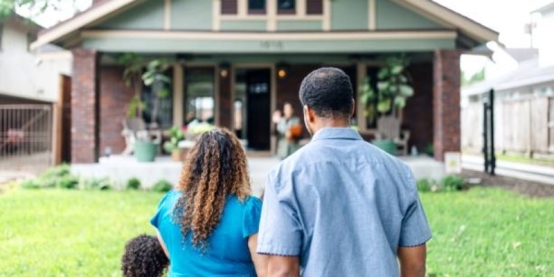
Another mistake that makes no sense, yet people keep doing it, is skipping the home inspection. Some people say they don’t want to pay the fee, others trust the seller too much, and some just think everything looks okay. That’s how people end up with broken roofs, bad wiring, and water-damaged basements. A house is not what it seems on the surface. A home inspection is not just about peace of mind—it’s about protection.
You would not buy a car without checking under the hood. So why buy a house without checking behind the walls? In 2025, with many older homes being flipped or “polished up” to look new, skipping this step could ruin you financially.
Ignoring the Neighborhood
People fall for paint and granite countertops and forget to check the neighborhood. That is how you move into a house and then realize the street is noisy at night, there’s no parking space, or the nearest grocery store is a long drive away. The house may look perfect, but if the area is not safe or doesn’t match your lifestyle, you will hate living there. Schools, hospitals, traffic, and even local laws matter.
Look at crime rates, commute times, and nearby amenities. Check if the neighborhood is growing or dying. Do your research, not just on the house, but on the entire environment you’re buying into. A perfect home in a terrible location will become a nightmare.
Trusting the Wrong People
Buying a home is not the time to rely on just anyone. Some agents only care about closing the sale and getting their cut. They may push you toward properties that don’t really fit or pressure you to make quick decisions. Not every mortgage lender has your best interest at heart. Some will push you into expensive loans with hidden fees and poor terms. You need to ask questions. You need to compare agents, compare banks, and read every paper they give you.
If you don’t know something, ask. If something feels off, slow down. A wrong agent or greedy lender can mess up your life for the next 20 to 30 years. Take time to find people who explain things clearly and guide you honestly.

Not Thinking Long-Term
A house is not just for today. It is for five years, ten years, maybe more. Many first-time buyers only think of what they need right now. They forget they might have kids later, or that remote work might become permanent, or that their aging parents might come live with them. They buy the perfect one-bedroom with no room to grow. Or they buy in a flood zone thinking only of the price.
What happens when plans change and the house can’t change with them? Selling quickly is not always easy, and moving again is expensive. Think of your future. Buy a house that can grow with you, not trap you. A short-term mindset will cost you more than you know.
Stretching the Budget Too Far
Some people see a big beautiful house and convince themselves they can manage the payments if they just cut back here and there. That is a dangerous way to live. Mortgages are not flexible. Bills don’t wait for your salary to rise. Life happens. People lose jobs. Emergencies come. And when they do, that “dream home” becomes a prison.
Just because a bank says you can borrow a certain amount doesn’t mean you should. Stay within what you can afford comfortably. Leave room for life to happen. Buying a home should bring you stability, not stress and sleepless nights.
Not Reading the Fine Print
This one gets a lot of people. They sign contracts without reading them. They skip over important terms in the mortgage. They don’t understand the interest rate or the penalties for late payments. That’s how people end up shocked when fees start showing up or when they realize the payment terms are not what they thought. The fine print is there for a reason.
If you don’t understand something, take it to a lawyer or someone you trust who does. Don’t rush. Don’t assume. A signature is not just ink—it’s a commitment that can affect you for decades. Read every word.
Taking Advice From the Wrong Crowd
Family means well. Friends have stories. Social media has opinions. But not all advice is good advice. Just because someone bought a house in 2010 and tells you what to do in 2025 doesn’t mean they’re right. Times have changed. The market has changed. What worked then may not work now.
Trust professionals. Follow real-time data. And know that no two homebuying journeys are the same. Take advice, but don’t be led blindly by it. Your future deserves better than recycled opinions from people who are not in your shoes.
You May Like
House Renovation
Confused About Repairs? This Is How To Choose The Right
Homes for Rent
Avoiding Rental Scams: Red Flags Every Renter Should Know
Real estate
6 Tips for Crafting Compelling Property Listings That Sell

Homes for Rent
Furnished vs. Unfurnished Rentals: Which Is Right for You?
Real estate
5 Ways to Maximize ROI in Commercial Real Estate Development